
Nepal 10 days
Discover Nepal. Experience the Extraordinary.
Where
Every Journey Tells a Story
10 days, From Kathmandu to Kathmandu, price .............
10 Days
Group Size
2-15 Persons
Max Elevation
150-1336 m
Grade
Moderate
Stay
Hotel/Resort
Cost
Contact us
Destination
Nepal
Duration
10 Days
Transport
Private vehicle/Flight
Best Season
Spring/Autumn
Overview
DISCOVER THE EXPERIENCE
Nepal, a land of towering Himalayas and rich cultural heritage, offers an unforgettable blend of breathtaking landscapes and authentic experiences. Explore the vibrant streets and historic landmarks of Kathmandu, experience the peaceful atmosphere of a Buddhist monastery, and admire spectacular views of the Annapurna range from the beautiful lakeside city of Pokhara. Continue your journey to Chitwan National Park, one of Nepal’s most renowned wildlife destinations, where you can encounter rhinos, elephants, crocodiles, diverse birdlife, and, with luck, the elusive Bengal tiger.
Tour Highlights
WHERE
JOURNEYS BECOME STORIES
Stories from the Himalayas
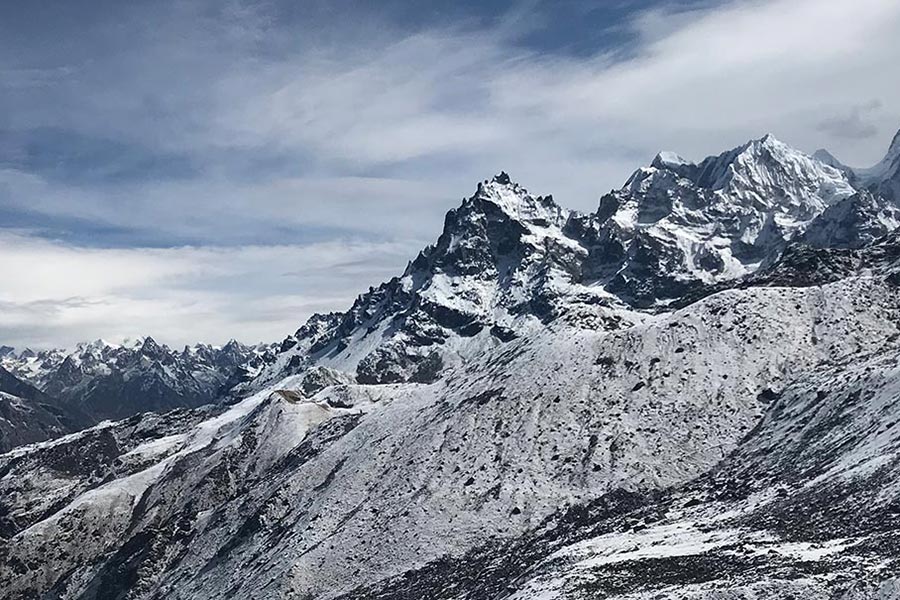
Discover the timeless stories of Himalayan communities, where ancient traditions, unique settlements, traditional homes, and mountain lifestyles continue to shape the rich cultural heritage of Nepal.
Overnight at a Buddhist Monastery
Experience the peace of a Buddhist monastery, stay in a traditional guesthouse, and witness the monks’ daily chanting rituals while discovering their simple and spiritual way of life.
Swayambhunath Temple Visit
Explore the iconic hilltop stupa of Swayambhunath, a sacred landmark offering a beautiful blend of Buddhist heritage, ancient history, and panoramic views of Kathmandu Valley.
Sunrise at Sarangkot
Wake before dawn to witness a spectacular sunrise over the Himalayas, with breathtaking panoramic views from Sarangkot’s scenic hilltop.
Tibetan Refugee Settlement
Visit Tashiling Tibetan Refugee Camp to experience its rich culture, learn about the community’s heritage, and connect with its warm and welcoming people.
What’s included:
• Accommodation Hotels – 8 nts,
• monastery guesthouse – 1 nt.
• Meals Included breakfasts, 5 lunches, 4 dinners
• Transport Private bus, plane, boat, walking, 4x4.
• Your Journeys Highlight Moment: Nepalese Welcome Experience at Kathmandu
• Your Journeys Highlight Moment: Stories from the Himalayas, Kathmandu
• Your Journeys Highlight Moment: Overnight at a Buddhist Monastery, Pharping
• Your Journeys Highlight Moment: Neydo Monastery Sunrise Chant, Pharping
• Your Journeys Highlight Moment: Chitwan Tiger Experience, Royal Chitwan National Park
Your Welcome Moment: Welcome Moment - Meet Your Expedition Leader and Group. Arrival transfer.
Sound bath wellness experience and six-course vegetarian Nepalese dinner.
Visit Boudhanath Stupa and the Royal City of Bhaktapur.
Visit Swayambhunath. Chitwan National Park including a village walking tour and jeep safari.
Hike to the World Peace Pagoda.
All transport between destinations and to/from included activities
10 days, Kathmandu to Kathmandu
YOUR NEPAL EXPERIENCE, DAY BY DAY
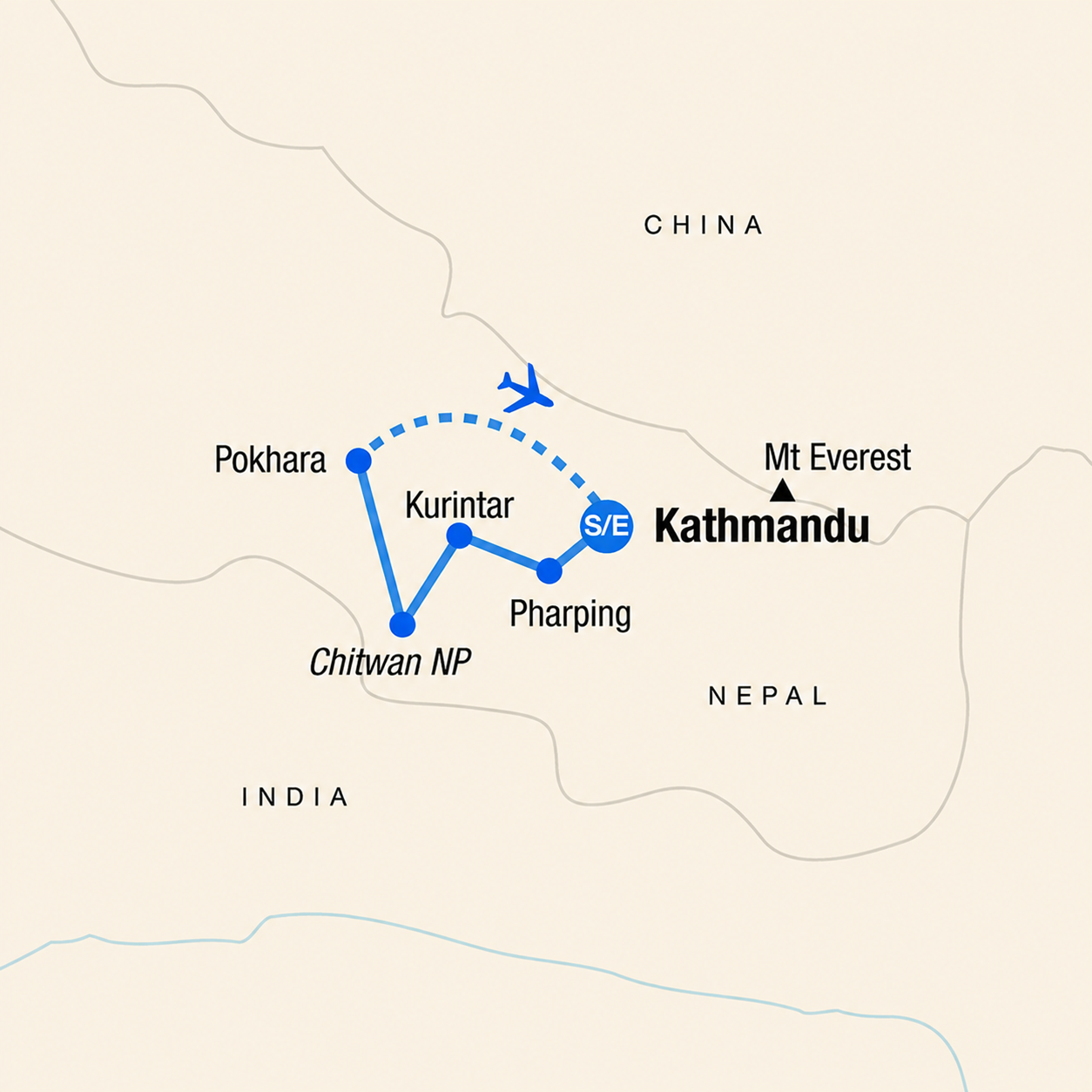
Map
Itinerary
Day 1: Kathmandu
Day overview
Arrive any time. Arrival transfer is included. Enjoy a relaxing wellness experience with a sound bath demonstration followed by a six-course vegetarian welcome feast tonight, savouring the diverse flavours of Nepali thali.
Meals included
dinner
Today's activities
Private Vehicle
Tribhuvan International Airport - Kathmandu, 30 minutes
Settle in and scan the scenery from the convenience of a private vehicle.
Your Journeys Highlight Moment
Nepalese Welcome Experience at Nepali thali restaurant
Enjoy a peaceful mind-and-body wellness session at wellness center and Nepali thali in Kathmandu, where the soothing sounds of traditional brass singing bowls create a deeply relaxing and meditative atmosphere. This ancient sound-based practice is designed to ease stress, restore balance, and help refresh you after your journey to Nepal.
Your Welcome Moment
Welcome Moment - Meet Your Tour Leader and Group
Your opportunity to meet your Tour Leader and fellow travellers, and learn more about your tour. opt to join the group for a local meal afterwards. Don't forget to see the notice in the lobby (or ask reception) for the official time and place to meet up with the group.
Accommodation
4 Star-Hotel
Day 2: Kathmandu
Day Overview
Discover the cultural heart of Kathmandu with visits to the sacred Boudhanath Stupa and the historic city of Bhaktapur. Admire ancient temples, intricate woodcarvings, traditional pagodas, and magnificent palaces that reflect Nepal’s rich heritage.
Meals included
breakfast | lunch
Today's activities
Private Vehicle
Kathmandu - Kathmandu
Settle in and enjoy the scenic views from the comfort of your private vehicle.
Boudhanath Stupa Visit
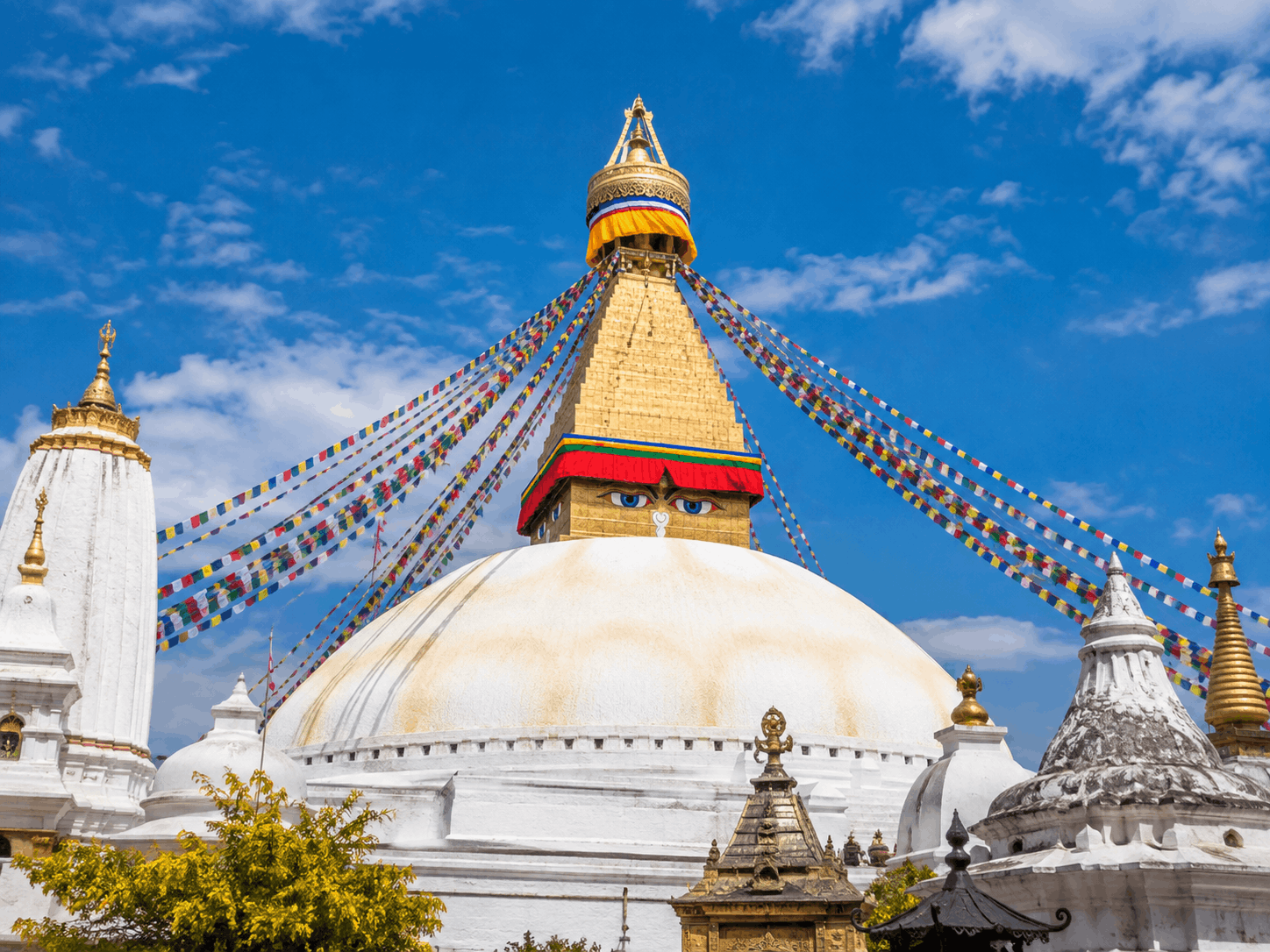
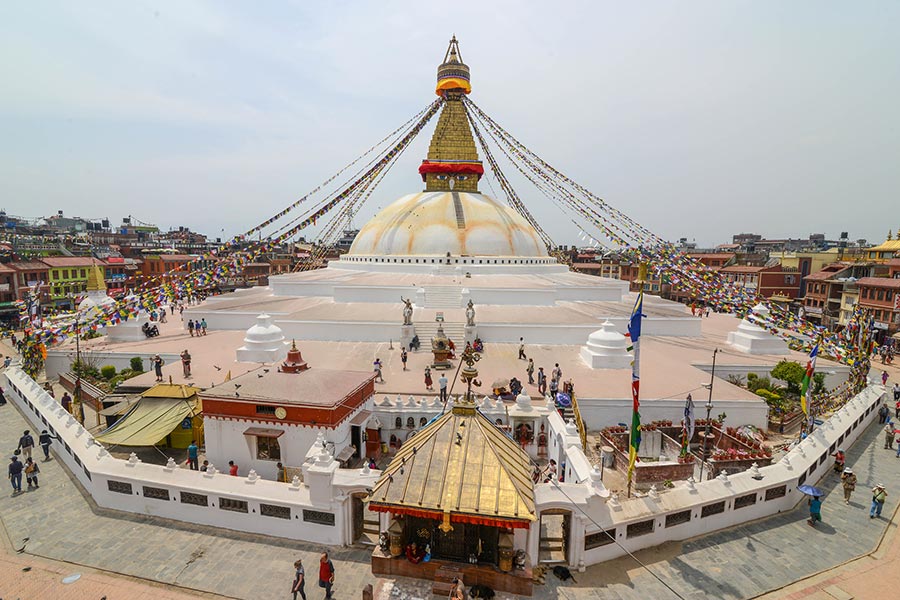
Visit the magnificent Boudhanath Stupa, a UNESCO World Heritage Site and one of the world’s largest Buddhist stupas. Experience its peaceful atmosphere, prayer rituals, and surrounding monasteries where monks continue centuries-old traditions.
Bhaktapur Excursion
Explore Bhaktapur, the historic City of Devotees, filled with ancient temples, pagodas, palaces, and exquisite woodcarvings. Wander through lively local markets, shop for traditional crafts, and taste the city’s famous homemade Juju Dhau (king yogurt).
Accommodation
Hotel lo mustang (or similar)
1 optional activities
Everest Flight: 1 hr.
Soar above the Himalayas on an unforgettable mountain flight, offering spectacular views of Mount Everest and the surrounding peaks—all without the need for trekking or climbing.
Day 3: Kathmandu / Pharping
Day overview
Himalayan Culture & Monastery Experience
Visit the sacred Swayambhunath Temple, discover efforts to preserve Upper Mustang’s traditional weaving heritage, and continue to peaceful Pharping. Stay at a monastery guesthouse, experience Buddhist prayers and chanting, and learn to prepare and enjoy authentic Nepali momos with the local community
Meals included
breakfast | lunch
Today's activities
Swayambhunath Temple Visit
Explore Swayambhunath, Kathmandu’s ancient hilltop Buddhist sanctuary, famed for its iconic Buddha eyes, colorful prayer flags, and playful monkeys. Enjoy a peaceful cultural experience while taking in beautiful views across the valley.
Private Vehicle
Kathmandu - Pharping, 1 hours
Settle in and scan the scenery from the convenience of a private vehicle.
Your Journeys Highlight Moment
Overnight at a Buddhist Monastery
Stay in a peaceful monastery guesthouse and experience the simple rhythm of monastic life. Share tea with the monks, witness morning prayers, and enjoy a beautiful Himalayan sunrise while supporting the monastery community.
Accommodation
Neydo Monastery Hotel (or similar)
Day 4: Pharping / Kurintar
Day overview
Rise with the monks’ morning chants and enjoy a beautiful sunrise before driving to riverside Kurintar. Hike to your forested hilltop lodge overlooking the Trishuli River, with time to relax or explore nearby villages.
Meals included
breakfast | dinner
Today's activities
Your Journeys Highlight Moment
Monastery Sunrise Chant
Rise before sunrise and enter the main hall of the Monastery to listen to the monks practicing their chanting. After, we enjoy the sunrise over the Valley from the Monastery roof.
Private Vehicle
Pharping - Kurintar, 3 hours and 30 minutes
Settle in and scan the scenery from the convenience of a private vehicle.
Walking
Kurintar - Kurintar, 30 minutes
Set off on foot and embrace the journey ahead.
Accommodation
04 star hotel
Day 5: Kurintar / Royal Chitwan National Park
Day Overview
Journey to Chitwan National Park, a UNESCO World Heritage Site renowned for its rich wildlife and lush landscapes. Settle into your riverside lodge before an afternoon boat safari along the Rapti River, with chances to spot crocodiles, waterbirds, and other wildlife.
Meals included
breakfast | lunch | dinner
Today's activities
Walking
Kurintar - Kurintar, 30 minutes
Set off on foot and embrace the journey ahead.
Private Vehicle
Kurintar - Royal Chitwan National Park, 2 hours and 30 minutes
Settle in and scan the scenery from the convenience of a private vehicle.
Chitwan Area Boat Excursion
Embark in traditional patela boats on a silent trip down the Rapti River, which boarders the National Park to view aquatic birds, crocodiles, gharials, and the animals along the river banks.
Accommodation
04-star Hotel
The specifics and order of activities may change, depending on the season and local conditions. Your Tour Leader will confirm the exact activities and timing with the naturalists upon arrival at the lodge.
Day 6: Royal Chitwan National Park
Day Overview
Discover Chitwan’s wild heart through a thrilling jeep safari, seeking rhinos, elephants, leopards, and the elusive Bengal tiger. Meet a local tiger conservation expert, visit a Tharu village, and enjoy an authentic cultural dance performance in the evening.
Meals included
breakfast | lunch | dinner
Today's activities
Jeep Safari
Venture through Chitwan’s grasslands and dense Sal forests, crossing rivers in search of rhinos, deer, and other wildlife. Spot sunbathing gharials along the Narayani River and enjoy panoramic views from a traditional jungle watchtower.
Chitwan Village Visit
Enjoy a visit to the farming Village bordering the National Park. Learn about the social and cultural aspects of the village people, what they farm, and see how they live day-to-day.
Your journey highlights moment
Chitwan Tiger Experience
Meet a local tiger conservation expert and discover how tigers are tracked, protected, and monitored in Chitwan. Join a guided safari to learn about conservation efforts and, with luck, catch a glimpse of this elusive predator.
Accommodation
04-star hotel
Day 7: Royal Chitwan National Park / Pokhara
Day overview
Drive to Pokhara, an enchanting town set on the shores of turquoise-hued Phewa Lake against a backdrop of snowcapped Himalayan peaks. Enjoy a guided walk around the city, and opt to have dinner at a popular local restaurant.
Meals included
breakfast
Today's activities
Private Vehicle
Royal Chitwan National Park - Pokhara, 8 hours
Settle in and scan the scenery from the convenience of a private vehicle.
Pokhara Orientation Walk
Take a refreshing stroll through Pokhara, enjoying crisp mountain air, serene Phewa Lake, and spectacular Himalayan views while discovering the charm of this lakeside city.
Accommodation
Day 8: Pokhara
Day overview
Sarangkot, Peace Pagoda & Tibetan Heritage
Begin with a spectacular Himalayan sunrise from Sarangkot, followed by a peaceful walk to the iconic World Peace Pagoda. Discover Tibetan heritage at a local refugee settlement and enjoy a traditional lunch, with free time to relax or cruise across serene Phewa Lake.
Meals included
breakfast | lunch
Today's activities
Sunrise at Sarangkot
Rise early and experience a spectacular sunrise with a panoramic view of the surrounding Himalayas. The highest altitude on this trek is at 1600 meters.
World Peace Pagoda Excursion
Walk up to the World Peace Pagoda, which was constructed by Buddhist monks. Enjoy the structure and the beautiful view around it.
Tibetan Refugee Settlement
Visit Tashiling Tibetan Refugee Settlement, explore its heritage through a local photo gallery, and connect with the welcoming community. Enjoy a traditional momo lunch while supporting local livelihoods and preserving Tibetan culture.
Accommodation
4-star hotel at Pokhara
Day 9: Pokhara / Kathmandu
Day overview
Catch a flight back to the capital, Kathmandu. Enjoy time to shop in the bustling Thamel district, or choose to visit Pashupatinath Temple, the most sacred Hindu temple complex in Nepal.
Meals included
breakfast
Today's activities
Plane
Pokhara - Kathmandu, 1 hours
Look to the skies and take flight above the Himalayas, where breathtaking mountain views turn a simple journey into an unforgettable aerial experience.
Free time
Take some time to explore on your own or do some last-minute shopping.
Accommodation
hotel lo mustang or similar
1 optional activity
Pashupatinath Ghats and Temple
Visit Pashupatinath, one of the most sacred Hindu temple complexes in Nepal. Located on the banks of the Bagmati River, this is the final stop for many Hindus, who's families bring them
here to set funeral pyres on the ghats to cremate their loved ones. Respectful viewing from across the river is culturally acceptable, you also will see sadhus (Hindu holy men) and pilgrims perform bathing rituals. Please note the inclusion of a taxi cost extra.
Day 10: Kathmandu
Day overview
Depart at any time.
Excluded
-
Nepalese Visa Fee: Bring the appropriate amount in USD along with two passport-size photographs.
-
International Airfare: The cost of flights to and from Nepal is not covered.
-
Extra Night Accommodation in Kathmandu: In case of early arrival, late departure, or deviations from the scheduled itinerary.
-
Travel and Rescue Insurance: It’s essential to arrange your own insurance coverage.
-
Personal Expenses: This includes phone calls, internet, laundry, bar bills, battery recharge, extra porters, bottled or boiled water, hot showers, and Wi-Fi.
-
Optional Trips and Sightseeing: Any additional excursions beyond the standard trek.
-
Unforeseen Circumstances: Expenses incurred due to events beyond the control of Mount Adventure Nepal.
-
Tips and Gratuities: Show appreciation to Tour leader and staff as you see fit.
Information
Trekking Group
Nepal offers an abundance of experiences, making it an attractive year-round travel destination. International tourists are increasingly including Nepal in their travel itineraries. When embarking on the Everest Base Camp trek with us, each group of two trekkers will have a trek leader and a Sherpa porter. Additionally, we provide an assistant guide based on the group size. Our typical group consists of a minimum of two tourists and a maximum of ten. For solo travelers, we organize trips with a single supplement. While we state that our maximum group size is ten, we can accommodate larger groups upon request. However, maintaining a reasonable group size allows us to provide personalized care and excellent service to our valued clients throughout their journey with us.
Equipment List
Gear Up for Your Everest Base Camp Trek: Essential Clothing and Equipment
To ensure a safe and enjoyable trek, having the right clothing and equipment is crucial. We've compiled a list of essential items for your personal use during your Everest Base Camp adventure with us.
Footwear:
Running Shoes (1 pair): Comfortable shoes for casual wear on lighter walking days.
Light Hiking Boots (1 pair): Sturdy boots for the trail. Wear with a combination of liner and wool socks for warmth and comfort. Choose water-repellent boots with good ankle support.
Optional:
Hiking Gaiters (1 pair): Keep rocks and debris out of your shoes and offer additional protection from the elements.
Socks:
Wool Socks (3 pairs): Heavyweight wool socks worn over liner socks for warmth and blister prevention. Ensure a good fit inside your boots.
Liner Socks (3 pairs): Thin wool, nylon, or Capilene liner socks worn next to the skin to wick away moisture and reduce blisters.
Clothing:
Lightweight Long Underwear (2 sets - tops & bottoms): Capilene, synthetic, or wool for warmth and breathability. Opt for lightweight options for versatility (single layer in warm weather, double layer in cold). Consider zip-neck tops for better ventilation. Choose one white set for sun protection and one dark set for faster drying.
Light Trekking Pants (1 pair): Lightweight, breathable nylon pants ideal for trekking. They dry quickly and offer sun protection. Look for convertible pants with zip-off legs for added versatility.
T-Shirts (a few): Lightweight, moisture-wicking crew-neck t-shirts made from synthetic materials.
Bandana (1): Multifunctional for various uses, including face masks.
Jackets:
Synthetic/Soft Shell Jacket (1): Full-zip jacket for easy layering and ventilation.
Insulated Down Jacket (Medium to heavy weight with hood): Provides warmth during colder temperatures.
Waterproof Layers:
Hard Shell Jacket with Hood (1): Breathable and waterproof shell jacket with a full front zipper and underarm zips for protection from wind and rain.
Hard Shell Pants (1 pair): Waterproof and breathable pants with side zippers to fit over boots.
Handwear:
Fleece/Soft Shell Gloves (1 pair): Provide warmth, especially when wet.
Shell Gloves with Insulation (1 pair): Offer additional warmth in colder conditions.
Headwear:
Headlamp & Spare Batteries (1): Essential for nighttime use.
Sun Hat (1): Protects your face and eyes from the intense sun at high altitudes. Baseball hats work well.
Buff (recommended): Provides dust protection and reduces the risk of infection.
Glacier Glasses (Essential):
100% UV and IR protection: High-quality lenses designed for mountain use with side covers, leashes, and a nose guard. Maximum 8% light transmission.
Spare Glasses (recommended): If you wear contact lenses, pack a spare pair of glasses with photo-gray lenses for added protection.
Personal Equipment:
Sleeping Bag (provided): High-quality sleeping bag with a hood rated to at least -10°C (Down is lighter but more expensive than synthetic options).
Daypack (3,000 cu. in. max): Large enough to carry water bottles, camera, lunch, and extra clothing.
Optional Items:
Water Treatment Tablets: Iodine or Chloride Dioxide tablets for water purification.
Water Bottles (2): Wide-mouth bottles with a minimum capacity of 1 liter each. (Water bladders are not recommended due to freezing and filling difficulties).
Pee Bottle: Convenient for avoiding bathroom breaks on the trail.
Pee Funnel for Women (Optional): Allows for easier urination without extensive undressing.
Sunscreen (SPF 30 or higher, 2 tubes): Ensure it's no older than 6 months as effectiveness decreases over time.
Hand/Foot Warmers (Optional): Ideal for those who tend to get cold easily.
Lip Balm (SPF 30 or higher, 2 sticks): Protect your lips from the sun and wind. Ensure it's no older than 6 months.
MP3 Player (Optional): Flash memory only, as hard drives don't function well at high altitudes. Chargers can be used at lodges along the way.
Travel:
Large Duffle Bag with Travel Locks (1): For transporting and storing your gear.
Plastic Bags (5): Line your pack and keep.
Physical And Mental Requirements
Preparing for the Everest Base Camp Trek: A Comprehensive Guide
As you plan your Himalayan adventure, consider three essential components of preparation: aerobic fitness, strength, and mental readiness. Let's delve into each aspect:
1. Aerobic Conditioning: Trekking at high altitudes means thinner air—up to 50% less oxygen than at sea level. Good aerobic fitness helps minimize the potential effects of Altitude Mountain Sickness (AMS). To prepare, engage in activities like hiking for at least two hours daily with some weight on your back. Running, cycling (outdoors or stationary), Nordic track workouts, hill climbing, or sustained aerobic exercises elevate your heart rate and build endurance.
2. Strength Training: Strengthening your muscles is crucial for tackling the challenging terrain. Focus on leg muscles (quads, hamstrings, and calves) as well as core strength. Squats, lunges, step-ups, and calf raises are beneficial. Don't forget to work on your upper body too, as you'll need it for balance and stability during the trek.
3. Mental Preparedness: Trekking in the Himalayas is both physically demanding and mentally rewarding. While mishaps are usually minor, be prepared for unexpected challenges. You might experience mild illness, disrupted sleep, or find the trek pace too fast or slow. Embrace these moments as part of the journey. Remember, reaching Everest Base Camp isn't the sole goal; finding joy and fulfillment in every experience matters.
Before embarking on your Nepal adventure:
- Obtain a medical fitness certificate (required by Tramping Himalaya Adventures).
- Consult your doctor and follow their recommendations.
- Maintain a positive mindset throughout the trip.
- Embrace the wonders of Nepal, whether or not you reach Everest Base Camp.
Adventure awaits—prepare well and savor every moment!
Our Trek Leaders And Staffs
Your Tour Leader: Ensuring a Smooth Adventure
Your Trek Leader plays a crucial role in ensuring every aspect of your trip runs smoothly. Here's what you can expect:
- Local Knowledge: Your Trek Leader shares valuable insights about the region, recommends activities during free time, and coordinates day-to-day logistics. Occasionally, unforeseen situations may arise, and your understanding is appreciated.
- Professional Team: We are a well-established adventure company. Our professional trek leaders are fluent in English, and some are multilingual. Crew members have basic communication skills. We invest in staff training to enhance efficiency.
- Cultural Insights: Our Tour leader intimately understand local customs and castes along the travel. They'll share cultural insights not found in guidebooks. You'll have the chance to learn Nepali phrases and immerse yourself in the culture during your tour.
Choose Mount Adventure Nepal for an enriching and well-guided experience!
Our Experience
Mount Adventure Nepal: Your Gateway to Himalayan Exploration
With over 15 years of experience, Mount Adventure Nepal is your trusted partner for responsible travel in the Himalayas. We specialize in small-group adventure expeditions to Nepal. Our unrivaled itineraries are a testament to our deep understanding of the region.
What Sets Us Apart:
- Experienced Local Leaders: All our treks are led by highly experienced local guides who prioritize safe acclimatization at every stage of your journey.
- Diverse Adventures: Whether you're a hiker, mountaineer, or climber, our itineraries cater to your adventurous spirit.
- World-Class Service: As one of the world's leading adventure travel companies, we offer hundreds of itineraries for small-group active adventures, expeditions, walking tours, and cultural journeys.
- Decades of Excellence: Since 1992, we've been organizing trekking and adventure travel holidays and vacations.
- Flexible Departures: Each itinerary features several scheduled departure dates throughout the year.
- Transparent Pricing: Our all-inclusive packages come with no hidden extras. Expect longer, creative itineraries and quality ground services.
- High Expectations Met: We attract travelers who seek exceptional travel experiences.
Join us on an unforgettable Himalayan adventure!
Travel Insurance
Travel Insurance for Himalayan Adventures: A Must-Have
When embarking on Himalayan adventures, proper insurance is essential. Here's what you need to know:
- Specialist Coverage: Obtain travel insurance that specifically covers hazardous activities. This includes helicopter evacuation, trip cancellation, injury, death, lost baggage, theft, liability, and medical treatment expenses.
- Comprehensive Protection: Ensure your policy covers all activities you'll undertake in Nepal, such as trekking and climbing.
- Helicopter Evacuation: If injured and unable to travel, you can request a rescue helicopter from remote areas—but only if you can prove you can pay for it.
- Specific Coverage: Verify that your policy explicitly covers mountaineering or alpinism to avoid complications during claims.
Prioritize safety and enjoy your journey!
Climate And Weather
Nepal's climate is as diverse as its geography. Here are some key points:
- Terai Region: The low-lying Terai experiences a sub-tropical monsoonal climate.
- Himalayan Foothills: The best time to explore the Himalayan foothills (where most of our treks occur) is during the cool, dry season from September to May.
- Traditional Trekking Season: Late September to May is the traditional trekking season, with October and November offering the best weather.
- Spring: Spring is also popular, with warmer temperatures and blooming spring flowers and rhododendrons.
- Visibility and Weather: Expect good visibility, pleasantly warm days, cold nights, and possible snow above 3,000 meters.
Passport And Visa Requirements
Nepal Visa Information: A Guide for Travelers
- Visa Requirement: All foreigners (except Indian nationals) need a visa for entry into Nepal.
- Responsibility: Obtaining the entry visa is your responsibility.
- Visa Options:
- Obtain the visa from the Nepalese embassy before travel.
- Get it on arrival at Tribhuvan International Airport in Kathmandu or at various international border crossings.
- Simplify the Process:
- Bring a passport-sized photograph for immigration.
- Ensure you have the correct USD cash (bring it in your hand luggage).
- Permits and Photos:
- Nepal trekking trips require additional photos for various permits.
- Bring a total of 3 photographs.
- Application Form: If you plan to get your visa in your home country, download the application form from the website: [Nepal Immigration](http://www.nepalimmigration.gov.np)
Permits And Fees
In Nepal, permits and fees are essential for accessing certain areas, including World Heritage sites, national parks, and restricted regions for climbing. Rest assured that all trip prices include the relevant permit and entrance fees. If any additional permit fees are required, we’ll inform you before you make a booking with us.
Health And Fitness For Trekker
Health and Safety Precautions for Your Nepal Adventure
- Consult a Doctor: Before planning your holiday, consult a doctor. Obtain professional advice from a travel clinic or your local GP regarding vaccinations required for Nepal. Your doctor will provide current inoculation recommendations.
- Inform Us: If a doctor advises against travel or indicates any inconvenience, please inform us. Your safety is our priority.
- Technical Experience Not Required: On all trekking and exploratory trips, technical experience is not necessary. Hiking/camping experience is advantageous, but the most critical factors are a positive attitude and determination.
- Hygiene and Medical Preparedness: We strictly maintain hygiene standards for food during treks. Our extensive medical kits allow us to address health issues promptly. In case of serious illness, we can evacuate group members by helicopter.
- First Aid Training: Our Tour leader and helpers undergo regular first aid courses.
Join us for a safe and memorable adventure in Nepal!
Accommodation
In Kathmandu, we ensure a comfortable stay and a relaxed environment by using deluxe hotels before and after your travel. Rooms are typically twin-share, but depending on group size and room availability, triple-share options may be offered upon request. For solo travelers, a single supplement room is available at an additional cost (on request, the single supplement charge is US$200).
Fixed Departure
WHY BOOK WITH US?
-
Best Price Offer
-
Instant Booking
-
Customize Trip
-
Need Help? Call us on +977-56-580***